 By
By Introduction
In today’s fast-moving software development landscape, product teams are under constant pressure to release faster, maintain quality, and minimize production issues. As release cycles shrink and systems grow more complex, managing defects effectively becomes not just helpful but essential. EndBugFlow Software is designed to address this challenge by modernising how engineering teams capture, track, prioritise, and resolve issues within structured development workflows.
Modern defect management is no longer about logging bugs into a static ticket system and hoping someone addresses them. It is about real-time visibility, automation, integration with development pipelines, and actionable performance insights. EndBugFlow Software positions itself as a platform built to align with these needs, helping teams reduce bottlenecks while maintaining code quality and transparency across departments.
This guide explores how EndBugFlow Software fits into modern DevOps environments, how it enhances collaboration between developers and QA teams, and why structured defect management systems are shaping the future of software engineering.
The Evolution of Defect Management in Modern Software Development
Bug tracking has existed since the earliest days of computing. However, traditional systems were often isolated from development workflows. Developers would manually create tickets, QA teams would log issues separately, and communication frequently relied on email threads or external messaging tools. This fragmented approach led to delayed responses, duplicate reports, and limited visibility into root causes.
Over time, the rise of Agile and DevOps methodologies transformed expectations. Continuous integration and continuous delivery (CI/CD) pipelines require faster feedback loops. Teams need to know immediately when builds fail, tests break, or regressions occur. Defect management tools must now integrate seamlessly into development cycles rather than operate independently.
This is where EndBugFlow Software aligns with modern expectations. Instead of functioning as a passive repository of issues, it integrates into development environments to support proactive quality management.
What Makes EndBugFlow Software Different?
Unlike older issue trackers that simply log tasks, EndBugFlow Software focuses on workflow orchestration. It brings together developers, QA engineers, project managers, and product teams into one unified system.
At a structural level, the platform supports:
- Customisable issue workflows
- Git repository integration
- CI/CD automation triggers
- Real-time team notifications
- Centralised reporting dashboards
However, the difference is not just in features—it is in how those features are interconnected. When a developer commits code that references an issue, the system automatically updates its status. If automated tests fail in the CI pipeline, a new issue can be generated without manual input. This reduces lag between detection and resolution.
| Capability | Operational Impact |
| Git Integration | Faster context linking |
| Automated Issue Creation | Reduced manual reporting |
| Workflow Customization | Team-specific adaptability |
| Real-Time Dashboards | Immediate performance insights |
These capabilities reduce friction within complex projects.
Deep Integration with DevOps Pipelines
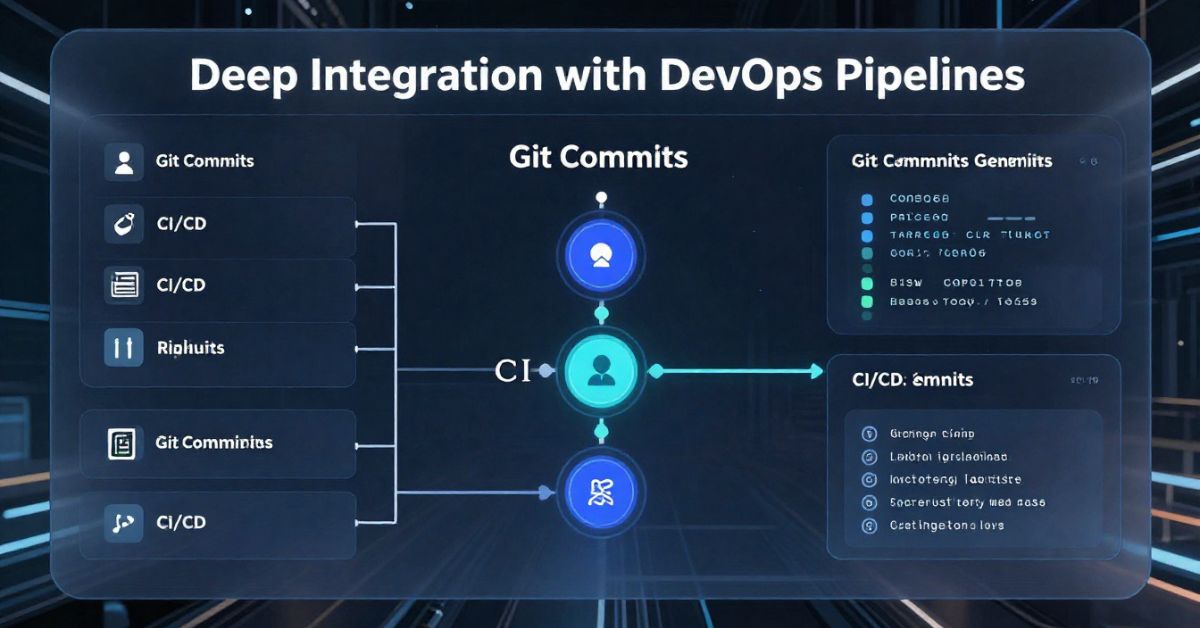
Modern engineering teams rely heavily on DevOps practices. Continuous integration, automated testing, and deployment pipelines form the backbone of production environments. Defect management tools must integrate with these systems to be truly effective.
EndBugFlow Software connects with Git-based repositories and CI/CD platforms to create a cohesive workflow. When builds fail or tests identify regressions, the system can trigger automatic issue creation.The process becomes proactive instead of reactive.
This integration improves:
- Traceability between code changes and reported defects
- Faster triage during sprint cycles
- Reduced miscommunication between QA and development
- More accurate release planning
Instead of chasing issues across platforms, teams operate within a structured environment that mirrors their workflow.
Impact on Engineering Productivity
Engineering productivity depends on clarity. When tasks are scattered across emails, spreadsheets, and chat threads, time is lost searching for context. Structured defect management reduces that noise.
By centralising issue tracking, EndBugFlow Software allows teams to focus on solving problems rather than documenting them repeatedly. Automated updates keep stakeholders informed effortlessly. Managers can monitor sprint velocity and defect resolution rates in real time.
Over time, the process improves team morale. Developers gain confidence knowing that issues are systematically addressed. QA teams benefit from better tracking tools that reduce duplicate reports.
According to industry data from 2025 DevOps performance studies, organisations with integrated defect management systems report up to 30% faster issue resolution times compared to teams relying on manual tracking methods.
Supporting QA and Testing Workflows
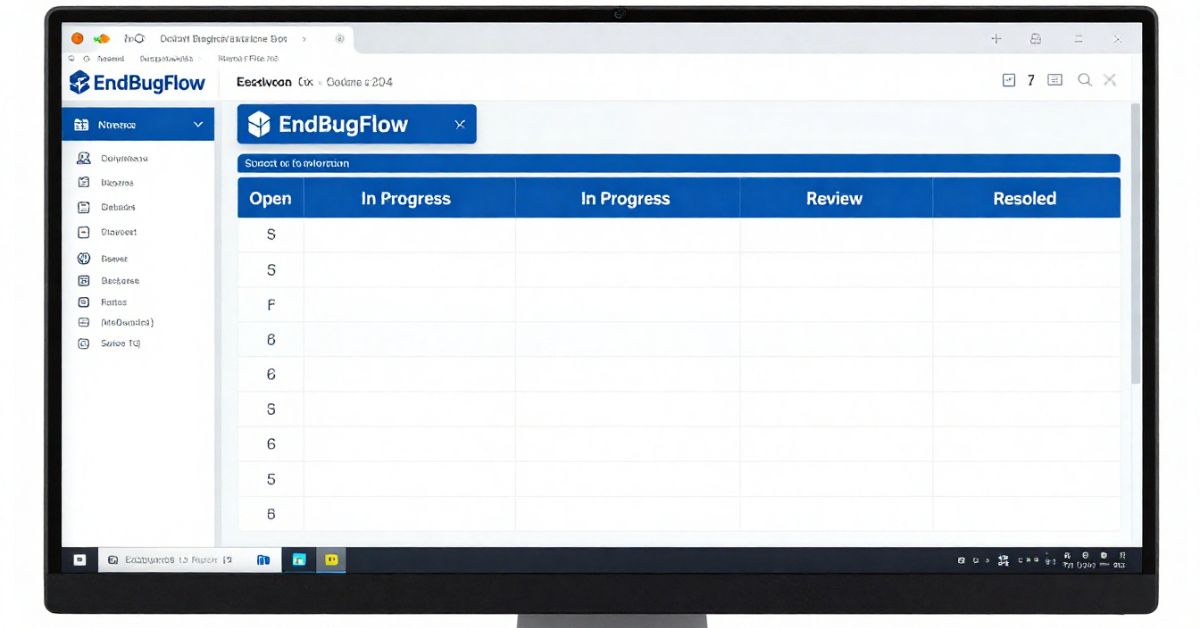
Quality assurance is often the backbone of product reliability. However, without structured systems, QA teams can become overwhelmed by large volumes of reports. EndBugFlow Software enables categorisation and prioritisation based on severity, impact, and reproducibility.Instead of simply labelling issues as “open” or “closed”, teams can define multiple states that reflect their process. This might include stages like “triaged”, “in progress”, “under review”, and “validated”.
Structured categorisation improves clarity and helps product managers make informed decisions about release timing.Moreover, analytics dashboards allow QA leaders to identify recurring issues across modules, revealing patterns that can inform preventive improvements.
Comparing Traditional Tools with Modern Defect Systems
Traditional issue trackers often required manual coordination and limited integration.
| Traditional Tools | EndBugFlow Software |
| Static ticket logs | Dynamic workflow management |
| Manual updates | Automated status synchronization |
| Isolated reporting | Integrated analytics |
| Limited scalability | Enterprise-ready architecture |
The shift toward integrated platforms reflects broader digital transformation trends. Modern engineering teams require systems that evolve alongside their processes.
Security, Compliance, and Data Governance
Bug tracking platforms store sensitive information about source code, vulnerabilities, and internal workflows. Security must therefore be a priority.
EndBugFlow Software incorporates role-based access controls and encrypted storage protocols. Audit trails record user actions, ensuring transparency. For organisations operating in regulated industries, such as finance or healthcare, compliance alignment is essential.Data governance policies within defect management systems help prevent unauthorised access while maintaining operational transparency.Security is not an afterthought; it is foundational.
Implementation Considerations
Adopting a new defect management system requires thoughtful planning. Teams should begin with a workflow audit, mapping existing processes and identifying inefficiencies. Custom workflows can then be configured to mirror sprint structures and approval cycles.
Gradual onboarding is often more effective than sudden transitions. Training sessions and pilot projects ensure adoption across teams.
While there may be an initial learning curve, structured implementation ultimately improves long-term efficiency.
The Future of Defect Management
The next generation of defect management tools will likely incorporate artificial intelligence for predictive analysis. Machine learning models may detect recurring code patterns that correlate with future bugs. Automated severity scoring could prioritise issues without manual intervention.
Future systems may include:
- AI-assisted root cause analysis
- Predictive sprint risk assessment
- Automated regression clustering
- Intelligent workload distribution
EndBugFlow Software’s integration-focused architecture aligns well with these future possibilities.
FAQs
What is EndBugFlow software used for?
It is used to track, manage, and resolve software defects within integrated development workflows.
Does it support CI/CD integration?
Yes, it integrates with development pipelines for automated issue tracking.
Is it suitable for small teams?
Yes, it scales from small teams to enterprise-level environments.
Does it improve productivity?
Yes, by centralising workflows and reducing manual coordination.
Is it secure for enterprise use?
It incorporates role-based access control and audit logging.
Conclusion
EndBugFlow Software reflects the evolution of defect management from isolated ticket logging to integrated workflow orchestration. By connecting issue tracking with DevOps pipelines, automation, and performance analytics, it helps engineering teams create better software more efficiently.
Modern development environments demand more than simple tracking tools. They require systems that enhance collaboration, reduce friction, and provide actionable insights. Structured defect management platforms meet these expectations.As engineering processes continue evolving, integrated solutions like EndBugFlow Software will play a central role in maintaining speed, quality, and reliability.