

 By
By Introduction
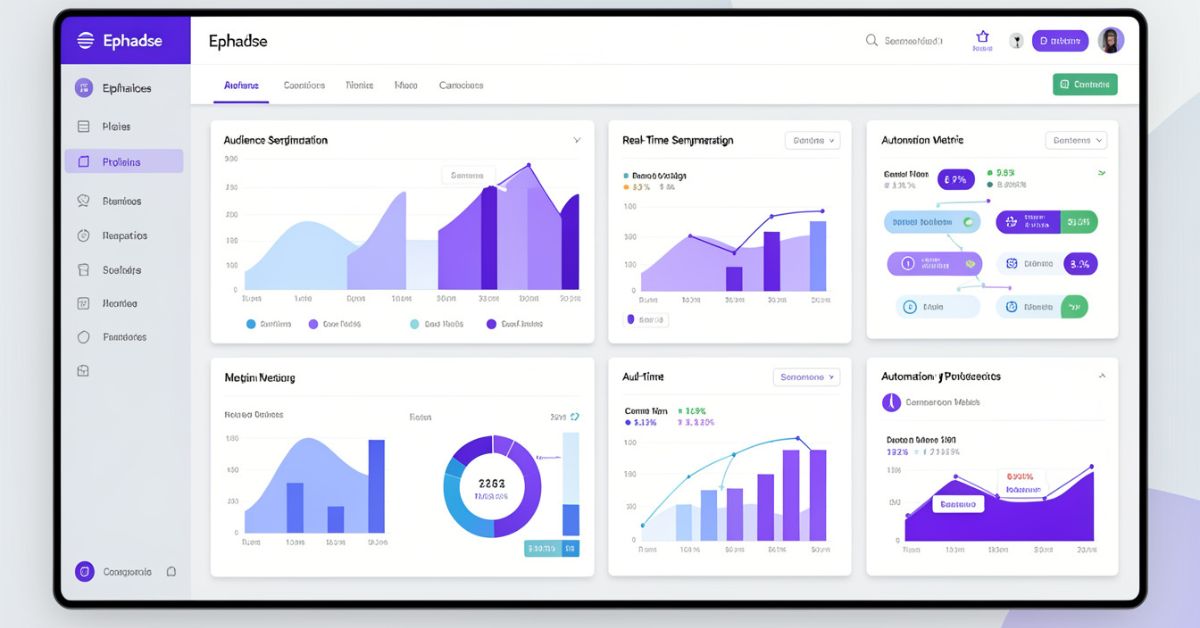
Digital advertising has evolved far beyond simple banner placements and keyword bidding. Modern campaigns are powered by machine learning, behavioral analytics, and adaptive systems that respond to user behaviour in real time. One emerging concept shaping this landscape is Ephads.
Ephads represents a modern approach where advertising systems learn from users and adjust campaigns dynamically to improve performance.As businesses compete for attention in crowded digital spaces, intelligent advertising frameworks are becoming essential. In this guide, we explore the meaning of Ephads, its role in adaptive marketing systems, and how it may influence the future of online engagement.
What Is Ephads?
Ephads refers to an adaptive digital advertising model that uses behavioral data and AI-driven insights to personalise marketing messages automatically. Rather than delivering static ads to broad audiences, Ephads systems tailor content based on user activity, preferences, and predictive modelling.
At its core, the concept combines:
- Data analytics
- Artificial intelligence
- Behavioral targeting
- Automated optimisation
This approach shifts marketing from reactive campaigns to proactive personalisation.Unlike traditional ad networks, adaptive systems continuously refine targeting criteria based on engagement metrics.
How Smart Advertising Works
Smart advertising relies on algorithms that analyse large volumes of data. These systems track interactions such as clicks, dwell time, and conversion behaviour.
When a user visits a website, the system evaluates:
- Previous browsing patterns
- Purchase history
- Location data
- Engagement signals
The AI engine then adjusts content delivery accordingly.
| Component | Role in Smart Advertising |
| Data Collection | Understand user behavior |
| AI Analytics | Predict engagement likelihood |
| Real-Time Bidding | Optimize ad placement |
| Performance Feedback | Improve future targeting |
This feedback loop allows campaigns to evolve dynamically.
The AI Engine Behind Ephads
Artificial intelligence is the backbone of adaptive advertising. Machine learning models analyse patterns and adjust strategies automatically.
AI systems typically perform:
- Audience segmentation
- Conversion prediction
- Budget allocation optimisation
- Content recommendation
Rather than manual campaign adjustments, AI continuously refines targeting accuracy.
According to a 2025 marketing analytics report, AI-driven ad optimisation can improve return on ad spend by up to 25% when implemented correctly.
Major Benefits of Ephads
The advantages of adaptive advertising systems are substantial.
First, personalisation increases engagement. Users are more likely to respond to relevant content.Second, automation reduces manual workload for marketing teams.Third, predictive modelling enhances budget efficiency.
Key benefits include:
- Higher click-through rates
- Improved customer retention
- Reduced wasted ad spend
- Faster campaign adjustments
When integrated properly, adaptive advertising improves both user experience and business performance.
Risks and Ethical Considerations
Despite its advantages, adaptive advertising introduces challenges.
Privacy concerns are central. Behavioral tracking must comply with regulations such as GDPR and CCPA.
Potential risks include:
- Over-personalization
- Data misuse
- Algorithmic bias
- Reduced transparency
Marketers must balance personalisation with ethical responsibility.Clear data consent and user control mechanisms are essential to maintain trust.
Comparing Ephads to Traditional Digital Ads
Traditional advertising models rely on fixed demographics and static targeting rules. Ephads-based systems, by contrast, use dynamic criteria.
| Traditional Ads | Adaptive Advertising |
| Static targeting | Behavioral targeting |
| Manual optimization | AI-driven adjustment |
| Limited personalization | Real-time personalization |
| Periodic reporting | Continuous analytics |
The difference lies in automation and adaptability.
Applications Across Industries
Adaptive advertising is not limited to e-commerce.
Industries leveraging smart advertising include:
- Retail and online marketplaces
- Financial services
- Healthcare providers
- Education platforms
- SaaS companies
For example, a financial services firm may use predictive modelling to promote specific investment products to users based on browsing history.
Education platforms may recommend courses tailored to learning patterns.The versatility of Ephads-style systems supports diverse use cases.
The Role of Data Analytics
Data is the foundation of adaptive marketing. Without accurate analytics, AI models cannot function effectively.
Successful implementation requires:
- Clean data pipelines
- Real-time processing
- Secure storage
- Transparent reporting dashboards
Organisations must invest in robust data governance structures to maximise advertising efficiency.Data accuracy directly influences campaign outcomes.
The Future of AI-Driven Marketing
Looking ahead, adaptive advertising systems are expected to integrate even more advanced technologies.
Emerging trends include:
- Emotion recognition algorithms
- Voice-activated marketing integration
- Augmented reality personalisation
- Cross-platform predictive targeting
As AI becomes more sophisticated, marketing strategies will shift from reactive outreach to anticipatory engagement.
Ephads reflects this forward-looking trajectory.
Strategic Implementation for Businesses
Businesses considering adaptive advertising models should follow a structured approach.
Start by auditing current marketing workflows and identifying inefficiencies. Implement AI-driven segmentation gradually rather than overhauling systems abruptly.
Monitor performance metrics carefully. Evaluate:
- Cost per acquisition
- Conversion rate
- Customer lifetime value
- Audience engagement patterns
Balanced integration ensures sustainable growth.
FAQs
What does Ephads mean in marketing?
It refers to adaptive digital advertising systems powered by AI.
Is smart advertising better than traditional ads?
It can improve personalisation and efficiency when implemented responsibly.
Does Ephads use artificial intelligence?
Yes, AI powers audience segmentation and campaign optimisation.
Are there risks to adaptive advertising?
Yes, including privacy concerns and algorithm bias.
Can small businesses use adaptive advertising?
Yes, scalable AI tools are available for various budget levels.
Conclusion
Ephads represents a significant evolution in digital advertising. By combining artificial intelligence, data analytics, and real-time personalisation, it shifts marketing from static messaging to dynamic engagement.
However, with innovation comes responsibility. Ethical data practices and regulatory compliance remain essential.As digital marketing continues evolving, adaptive systems will likely become standard practice. Businesses that embrace structured AI integration thoughtfully can achieve stronger performance and more meaningful audience connections.