

 By
By Introduction
Food trends come and go, but few desserts have captured global attention quite like the cronut. If you’ve ever searched for Cronut Meaning, you’re probably curious about how this pastry became such a cultural phenomenon. At its simplest definition, the cronut is a brand name for a pastry made from croissant dough that has been deep-fried and shaped into a thick doughnut-like ring. However, this simple description only begins to reveal the factors that contributed to its significant impact.
More than just a sweet treat, the cronut represents culinary creativity, smart branding, and the power of social media in shaping global food trends. Its rise from a New York bakery experiment to an international dessert icon shows how innovation and marketing can combine to transform a simple pastry into a global sensation. In this article, we’ll explore the meaning behind the cronut, its origins, how it differs from similar pastries, its cultural impact, and why it continues to matter in the world of modern baking.
What Is the Cronut Meaning?
The term “cronut” is a combination of the words croissant and donut. It refers to a pastry that merges the layered, buttery texture of a croissant with the shape and frying method of a doughnut.
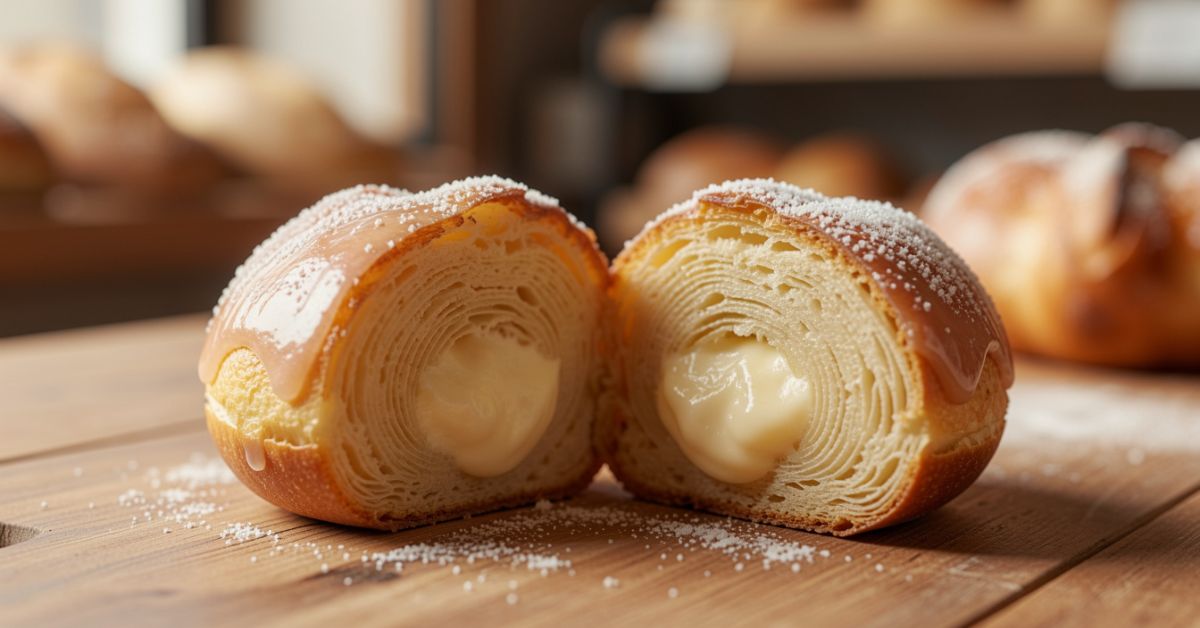
Unlike a standard doughnut, which is typically made from yeast dough or cake batter, It uses laminated croissant dough. This dough is folded repeatedly with butter to create delicate layers. Instead of baking it like a croissant, however, the dough is cut into a ring shape and deep-fried. After frying, the pastry is filled with flavoured cream and topped with glaze or sugar. The result is crispy on the outside, flaky inside, and slightly chewy at the centre—a texture that sets it apart from traditional pastries.
The Origin Story: Dominique Ansel’s Creation
The cronut was created in May 2013 by French pastry chef Dominique Ansel at his bakery in New York City. At the time, Ansel was experimenting with ways to combine classic French pastry techniques with American dessert preferences.
The new creation was initially intended as a limited-edition item. However, demand skyrocketed almost immediately. Customers lined up outside the bakery before sunrise, and the pastry sold out within hours.
What made it extraordinary was not just its flavour but the craftsmanship behind it. The preparation process typically took three days, involving careful fermentation, lamination, shaping, frying, filling, and glazing.The exclusivity and attention to detail contributed heavily to its appeal.
Why the Cronut Became a Viral Sensation
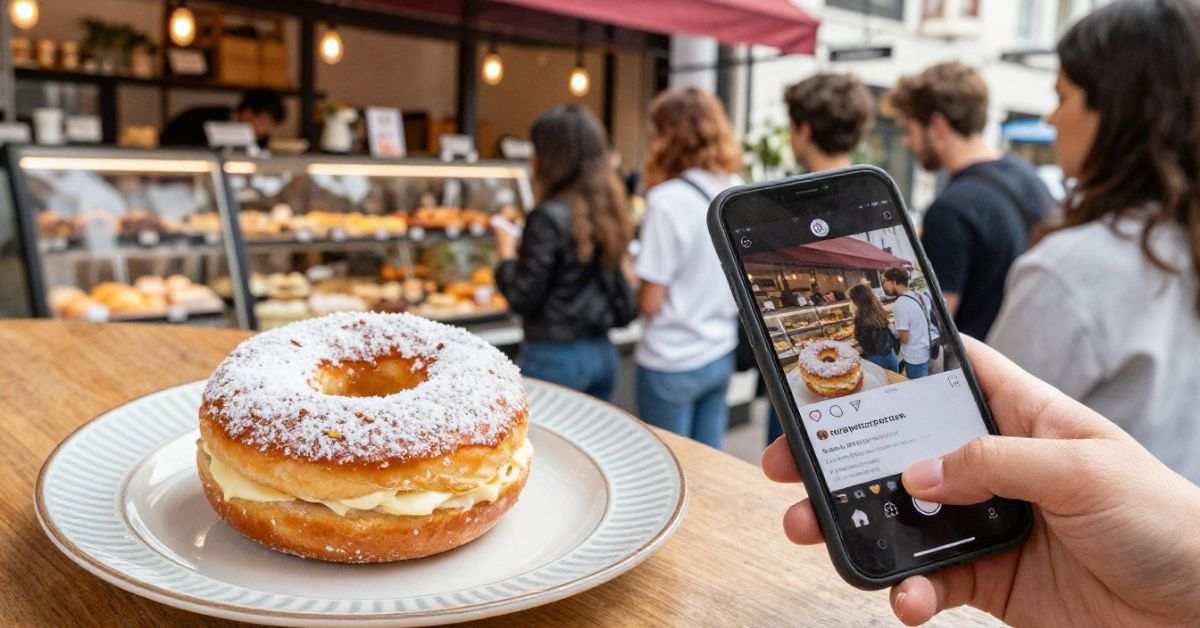
The timing of the cronut’s release coincided perfectly with the rise of Instagram food culture. Its visually appealing layers and glossy toppings made it highly shareable online.
Several elements fuelled its viral success:
- Limited daily availability
- Long lines outside the bakery
- Celebrity endorsements
- Media coverage across major outlets
- The novelty of a hybrid pastry
As food bloggers and influencers shared images of the pastry, its popularity spread globally. Within months, bakeries around the world began producing their own versions.
How a Cronut Differs from a Doughnut and Croissant
Although it borrows characteristics from both pastries, the cronut is structurally distinct.
| Feature | Cronut | Donut | Croissant |
| Dough Type | Laminated | Yeast or cake | Laminated |
| Cooking Method | Fried | Fried | Baked |
| Texture | Flaky & airy | Soft or dense | Flaky |
| Shape | Ring | Ring or filled | Crescent |
The lamination process is what gives the cronut its signature layered interior. Frying preserves the crisp outer texture while maintaining softness inside.
Ingredients and Preparation Method
At its core, the cronut contains many of the same ingredients as a croissant: flour, butter, yeast, sugar, milk, and eggs. The difference lies in technique.
The dough undergoes multiple folds to incorporate thin sheets of butter. After resting and shaping, the rings are fried at carefully controlled temperatures to prevent collapse of the layers. The pastry is then filled with flavoured cream and glazed.This hybrid process demands both patience and precision. It is far more labour-intensive than preparing standard doughnuts.
Trademark and Branding Impact
Dominique Ansel trademarked the name “Cronut,” preventing other bakeries from legally using it. While similar pastries appeared worldwide, none could claim the original name.
This branding strategy reinforced exclusivity. It also demonstrated how intellectual property plays a role in culinary entrepreneurship.By controlling the name and limiting production, Ansel preserved both quality and brand identity.The cronut became not just a pastry but a protected culinary creation.
Global Variations and Adaptations
Following its initial success, bakeries across the world developed variations under different names. Some added regional flavours such as matcha, dulce de leche, or passionfruit.
In Asia, adaptations often incorporated green tea or taro fillings. In Europe, pistachio and hazelnut variations gained popularity. While many versions are delicious, purists argue that the original preparation method remains unmatched in texture and consistency.This global expansion illustrates how hybrid desserts can inspire widespread experimentation.
Nutritional Profile and Indulgence
Like most fried pastries, the cronut is considered an indulgent treat. Its butter-rich laminated dough combined with frying increases calorie content.
Typical nutritional estimates per serving include:
- 400–500 calories
- 25–30 grams of fat
- 15–25 grams of sugar
- 40–50 grams of carbohydrates
While not a daily healthy food, it is meant to be enjoyed occasionally.
The Influence on Modern Dessert Trends
The cronut sparked a wave of hybrid dessert creations, encouraging chefs to experiment with combining familiar foods into something new.
Examples of hybrid trends include:
- Duffins (doughnut + muffin)
- Crookies (croissant + cookie)
- Ramen burgers
- Sushirritos
This movement reflects consumer appetite for novelty and creativity. Food innovation increasingly depends on storytelling as much as taste.
Why the Cronut Still Matters
Although the peak craze occurred in 2013, the cronut remains culturally significant. It demonstrated how social media, branding, and craftsmanship can combine to elevate a product to global recognition.
Understanding the Cronut meaning provides insight not only into pastry technique but also into modern food marketing dynamics. It serves as a reminder that creativity and timing can transform a simple idea into an international phenomenon.
FAQs
What does cronut mean?
It is a hybrid pastry combining croissant dough with a doughnut shape and frying method.
Who invented the cronut?
Dominique Ansel in 2013.
Is cronut a trademark?
Yes, the name is trademarked by Dominique Ansel.
How is it different from a doughnut?
It uses laminated croissant dough instead of standard doughnut dough.
Why did cronuts become popular?
Social media exposure and limited availability drove viral demand.
Conclusion
The Cronut meaning extends beyond a simple pastry definition. It symbolises innovation, branding intelligence, and the influence of digital culture on culinary trends. By blending French pastry technique with American indulgence, Dominique Ansel created more than a dessert—he created a global sensation.
Today, the cronut keeps motivating hybrid creations and demonstrates how creativity can redefine tradition. Whether you occasionally indulge in one or simply admire its cultural impact, its legacy firmly bakes itself into modern food history.