

 By
By Introduction
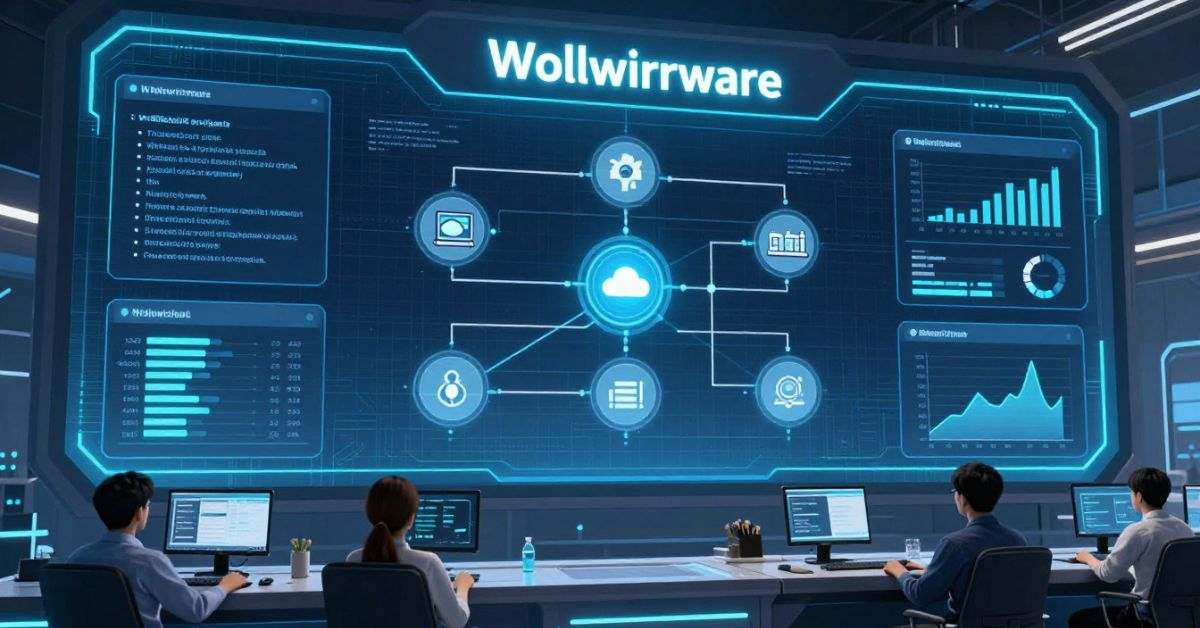
In an era where digital technologies control practically every element of corporate operations, efficiency and integration are no longer optional.Organisations increasingly rely on structured, automated processes to manage data, communication, and decision-making. Within this evolving landscape, Wollwirrware has emerged as a term describing a modern approach to connected digital workflow systems.
Wollwirrware explained in simple, professional terms, refers to a concept that aligns digital tools, automation, and process architecture into a unified, scalable framework. Rather than functioning as a standalone software product, it represents a workflow philosophy centred on integration, adaptability, and operational clarity.As businesses adopt cloud infrastructure, automation tools, and collaborative platforms, the importance of seamless workflow systems continues to grow. This article explores the meaning of Wollwirrware, its conceptual foundation, how it connects to modern digital workflows, and why it matters in today’s enterprise environment.
What Is Wollwirrware?
At its core, Wollwirrware describes a structured digital ecosystem where multiple platforms, processes, and automation layers operate cohesively. It is not a single application, but rather a model of workflow organisation.In many organizations, digital tools exist independently. A system for managing customer relationships might not directly communicate with accounting software. A project management platform may operate separately from HR onboarding tools. Wollwirrware addresses this fragmentation by promoting integration and process continuity.
The defining characteristics of this approach include modular architecture, centralised data flow, automation compatibility, and scalable design. Instead of viewing digital systems as separate silos, it treats them as interconnected components of a unified operational network.This distinction is subtle but important. While traditional workflow systems focus on task tracking, Wollwirrware focuses on system orchestration.
The Concept Behind Wollwirrware
The underlying concept revolves around reducing digital friction. Digital friction occurs when systems do not communicate effectively, causing duplication of effort, delayed processes, and data inconsistencies.In practical terms, this concept ensures that actions within one platform automatically trigger appropriate updates in others. For example, a completed sales agreement may automatically initiate invoice generation, update customer records, and assign post-sale tasks without manual intervention.
This structure is particularly valuable in environments where remote collaboration and distributed teams are common. By reducing dependency on manual updates, organisations improve reliability and responsiveness.The philosophy emphasises three main pillars: integration, automation, and visibility. Integration ensures systems communicate. Automation reduces repetitive tasks. Visibility allows stakeholders to monitor performance in real time.
How Wollwirrware Connects to Modern Digital Workflows
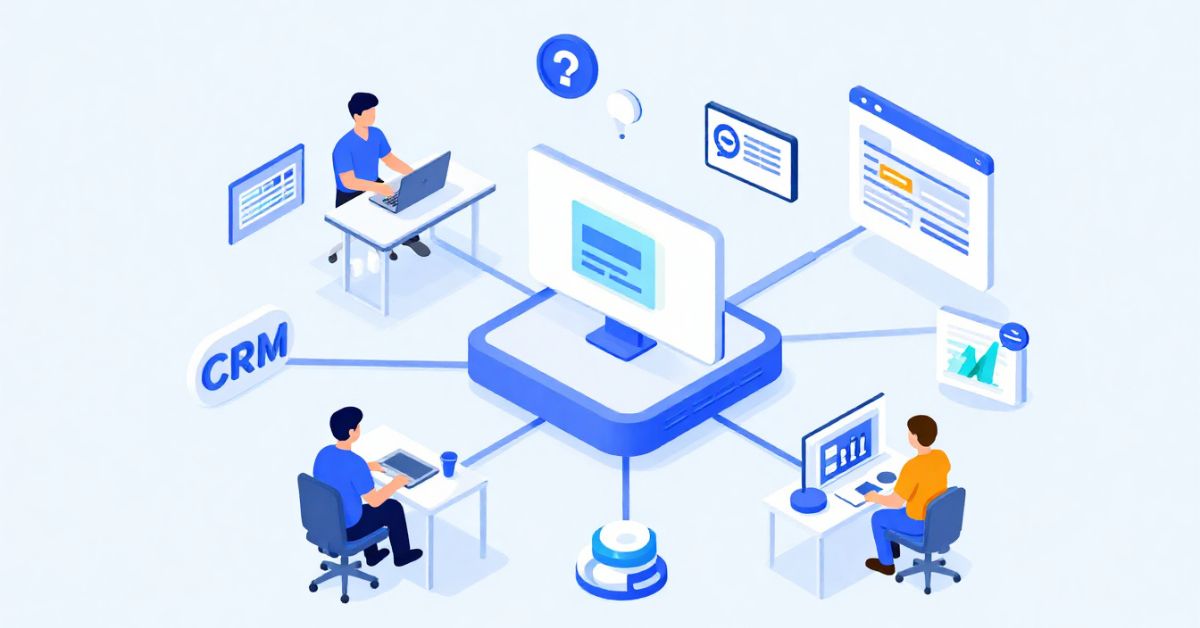
Modern workflows are built on cloud services, APIs, and real-time communication platforms. As businesses grow, digital complexity increases. Without structured integration, systems can become fragmented and inefficient.Wollwirrware aligns with digital transformation trends by emphasising compatibility across platforms. It supports cloud-native environments where tools like CRM systems, accounting software, analytics dashboards, and communication channels work in harmony.
Instead of relying on manual synchronization, workflows operate through automated triggers.When a new employee is onboarded, for example, system credentials, training modules, and team leaders may all be automatically generated. This approach supports agile work models. In fast-moving industries, adaptability is crucial. Structured digital ecosystems reduce downtime and improve collaboration.
Core Characteristics of Wollwirrware Systems
Wollwirrware-based systems typically share several defining attributes. First, they rely on API-driven infrastructure. APIs enable platforms to exchange data securely and efficiently.Second, they are built with cloud scalability in mind. As organisational demands increase, systems expand without requiring fundamental redesign.Third, automation plays a central role. Routine processes such as approvals, notifications, and reporting are handled automatically, reducing administrative burden.
Finally, transparency remains essential. Real-time dashboards provide stakeholders with insights into performance metrics and operational status.The combined effect of these characteristics is a streamlined digital workflow capable of adapting to organisational growth.
Comparing Wollwirrware to Traditional Workflow Systems
Traditional workflow systems often focus on linear task management. While effective for small teams, they can struggle under the weight of enterprise complexity.In conventional models, separate platforms manage different functions. Communication breakdowns occur when data must be transferred manually. As the organisation scales, inefficiencies multiply.
By contrast, Wollwirrware-style systems prioritise cohesion. Instead of linear task lists, they create interconnected networks of actions and triggers. This reduces duplication and enhances accountability.Where traditional workflows rely on human oversight for synchronisation, integrated systems reduce reliance on manual intervention.
Practical Applications in Business Environments
Organizations across industries can benefit from adopting structured digital workflow models. In corporate operations, such systems streamline compliance tracking and financial reporting. Campaign analytics and lead management are automated in marketing departments. IT departments use integrated monitoring tools to enhance cybersecurity and infrastructure management.
In each case, the objective is consistent: minimise friction while maximising visibility.For growing enterprises, this approach supports scalability. Rather than redesigning systems during expansion, businesses can rely on modular architecture to accommodate change.
Benefits of Adopting Wollwirrware Principles
The primary advantage of this model is operational clarity. Integrated systems eliminate redundant steps and reduce human errors.Organisations adopting these principles often experience improved collaboration, faster decision-making, and enhanced data accuracy. Real-time analytics allow managers to identify bottlenecks quickly and address them proactively.Security also improves when data flows are centralised and monitored consistently. By reducing manual transfers, the risk of data leakage decreases.However, implementation requires planning. Poorly configured integrations may introduce complexity rather than remove it. Therefore, strategic oversight remains critical.
Implementation Strategies
Transitioning to a Wollwirrware-style system requires structured evaluation. Organisations should begin by auditing existing digital tools and identifying inefficiencies.Mapping workflow dependencies helps determine where automation triggers can replace manual updates. Selecting integration middleware ensures compatibility across platforms.
Gradual implementation often proves most effective. Piloting the system within one department allows teams to refine processes before full-scale deployment.Continuous monitoring ensures optimisation over time.
The Future of Digital Workflow Systems
Digital workflow design is evolving rapidly. Emerging technologies such as artificial intelligence and predictive analytics are reshaping automation capabilities.
According to Gartner’s 2025 Digital Workplace Trends Report, companies implementing integrated workflow systems report measurable productivity gains. These gains are largely attributed to reduced manual coordination and improved transparency.
As businesses continue adopting hybrid work models, cohesive digital ecosystems will become foundational.
Wollwirrware aligns with these trends by emphasising adaptability and structured integration.
Why Wollwirrware Matters Today
The increasing reliance on digital platforms has exposed the weaknesses of disconnected systems. Fragmentation leads to inefficiency, and inefficiency undermines growth.
Structured integration models address this problem by ensuring that systems operate as a coordinated network rather than isolated components.
In modern enterprises, connectivity is not just about internet access—it is about intelligent workflow design.
FAQs
What does Wollwirrware mean?
It describes a structured, integrated digital workflow framework rather than a standalone tool.
Is Wollwirrware software?
It represents a workflow philosophy built around integration and automation.
Who benefits most from this approach?
Organisations seeking scalable, automated digital systems.
Does it require cloud infrastructure?
Cloud integration enhances scalability but is not strictly mandatory.
Is Wollwirrware suitable for small businesses?
Yes, especially when growth and integration planning are priorities.
Conclusion
Wollwirrware represents a modern framework for aligning digital systems into cohesive, automated workflows. By emphasising integration, automation, and transparency, it addresses the complexity of today’s digital environments.
Rather than adding more tools, it encourages smarter system orchestration. Organisations that adopt structured workflow integration can improve efficiency, reduce operational friction, and enhance long-term scalability.