

 By
By Introduction
Rice is one of the most consumed foods in the world. According to the Food and Agriculture Organization (FAO, 2024), more than half of the global population relies on rice as a staple. Yet despite its simplicity, cooking perfect rice consistently remains a challenge for many home cooks.
This is where dampfreis comes into focus. Dampfreis is a steam-based rice cooking method that helps you achieve a fluffy texture, better flavor, preserved nutrients, and reliable daily results at home. Unlike traditional boiling, which often leads to sticky or uneven grains, this approach emphasizes controlled steam, precise hydration, and resting time.
In 2026, as more households focus on healthier cooking techniques and nutrient retention, steam-based preparation is gaining renewed attention. This guide explores the science, benefits, tools, mistakes, and advanced techniques behind perfectly steamed rice. Whether you’re cooking basmati, jasmine, or brown rice, you’ll learn how to get consistent results every time.
What Is Dampfreis? (Clear Definition)
Featured Snippet Definition
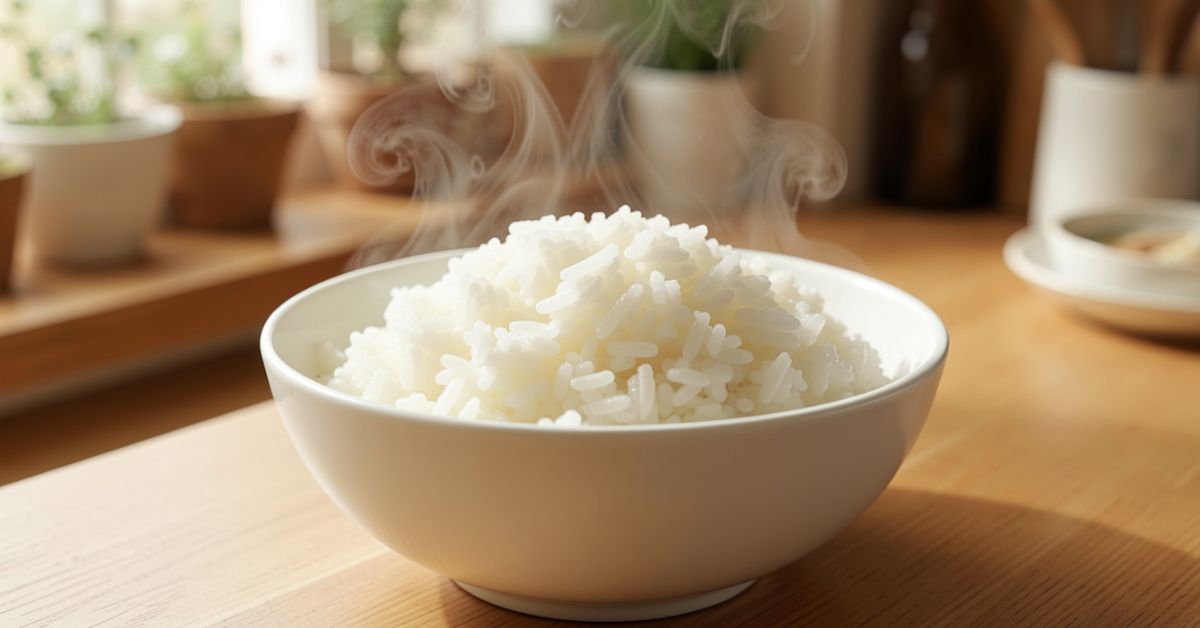
Dampfreis is a controlled steam-based method of cooking rice that produces fluffy, evenly separated grains while preserving texture and nutrients.
Instead of immersing rice in excess boiling water, the method uses a measured water ratio and a sealed heat environment. The steam generated cooks the grains gradually, allowing starch to gelatinize evenly without breaking down excessively.
The core principle is simple: moisture should be absorbed, not drained away.This distinction matters because boiling rice in too much water often causes the following:
- Starch leakage
- Surface breakdown
- Uneven hydration
- Mushy texture
Steam cooking avoids these issues by maintaining structure while ensuring tenderness.
Why Texture Is the Foundation of Good Rice
Texture is not just about mouthfeel—it determines how rice interacts with sauces, spices, and proteins.
Fluffy grains absorb flavor better and maintain structure when mixed with curries or stir-fries. Sticky or clumped rice, on the other hand, can overpower dishes and reduce presentation quality.
Professional kitchens prioritize texture because it enhances:
- Visual appeal
- Flavor distribution
- Digestibility
- Portion consistency
When grains remain separate yet tender, meals feel lighter and more refined. This is why controlled steam preparation has long been used in culinary traditions across Asia and Europe.
The Science of Steam-Based Cooking
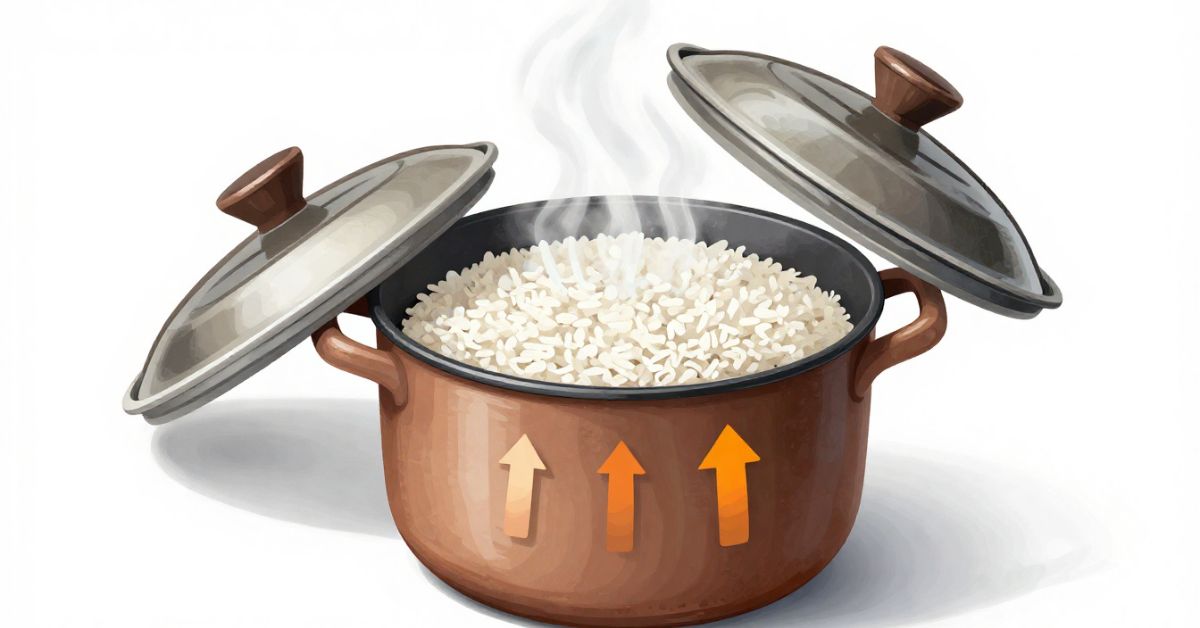
Cooking rice involves starch gelatinization. When rice heats in the presence of water, starch granules absorb moisture and swell.
In boiling methods, grains move rapidly in turbulent water, causing surface friction and starch leakage. Steam cooking reduces agitation, preserving grain integrity.
Here’s a simplified comparison:
| Cooking Method | Heat Transfer | Grain Movement | Starch Release |
| Boiling | Direct water immersion | High | High |
| Steaming | Vapor circulation | Minimal | Low |
Steam distributes heat evenly while preventing excess moisture accumulation.
According to food science studies from the National Institutes of Health (2024), reduced water loss during cooking improves micronutrient retention.
Tools That Improve Results
The technique itself is simple, but tools matter.
A heavy-bottomed pot ensures even heat distribution. A tight-fitting lid traps steam effectively. Modern rice cookers with sealed heating chambers replicate traditional methods with greater convenience.
Useful equipment includes:
- Heavy saucepan with lid
- Rice cooker with steam setting
- Fine mesh strainer
- Accurate measuring cup
Accurate measurement is critical. Even small ratio errors affect texture.
Professional chefs emphasize that consistent equipment produces consistent outcomes.
Step-by-Step Dampfreis Method
Mastering the technique requires attention to detail rather than complexity.First, rinse rice thoroughly to remove excess surface starch. Continue until the water runs mostly clear. This step prevents stickiness.Next, measure water precisely. Bring the water to a gentle boil, then reduce heat to low and cover tightly.
Do not lift the lid during cooking. Escaping steam interrupts the process.Once water is absorbed, turn off heat and allow rice to rest for 5–10 minutes. This resting phase allows residual vapor to finish cooking the grains evenly. Finally, fluff gently with a fork. Patience during resting is what transforms good rice into excellent rice.
Rice-to-Water Ratios by Variety
Different rice types require slight adjustments.
| Rice Variety | Ideal Ratio | Texture Result |
| Basmati | 1:1.5 | Light & aromatic |
| Jasmine | 1:1.5 | Soft & fragrant |
| Short-Grain | 1:1.25 | Slightly sticky |
| Brown Rice | 1:2 | Nutty & firm |
Brown rice needs more water due to its bran layer. Whole-grain varieties also benefit from slightly longer resting periods.
Precision eliminates guesswork.
Nutritional Advantages of Steam Cooking
Steaming helps preserve water-soluble vitamins like B vitamins. Boiling methods often require draining excess water, which can carry nutrients away.
According to research published by the FAO (2024), minimal water cooking techniques support better nutrient retention in grains.
Key benefits include the following:
- Improved mineral preservation
- Reduced nutrient leaching
- Better glycemic stability
Additionally, properly cooked rice digests more smoothly because starch structure remains intact.For households prioritizing health in 2026, this technique aligns with balanced meal planning.
Common Mistakes and Solutions
Even experienced cooks sometimes struggle with rice texture.
Frequent errors include:
- Too much water
- Cooking on high heat
- Skipping resting time
- Stirring during steaming
Overheating causes uneven cooking. Stirring releases starch prematurely. The solution is consistency. Low heat and patience produce superior results.When rice turns slightly dry, sprinkle a few drops of water and reheat gently with the lid closed.
Steaming vs Boiling: Detailed Comparison
While both methods cook rice effectively, results differ significantly.
| Factor | Steam Method | Boiling Method |
| Texture | Separate grains | Often clumped |
| Nutrient Retention | Higher | Lower |
| Water Efficiency | Minimal waste | Excess water |
| Flavor Preservation | Enhanced | Slight dilution |
Steam cooking offers greater reliability and visual appeal.Boiling may be quicker but sacrifices control.
Daily Meal Planning with Perfect Rice
Reliable rice preparation simplifies meal prep. Batch cooking saves time and ensures consistency.
Cooked rice can be refrigerated safely for up to three days. When reheating, add a spoonful of water and cover to restore moisture.
Rice pairs well with:
- Stir-fried vegetables
- Grilled chicken
- Lentil curries
- Seafood dishes
Meal planning becomes easier when your base ingredient is consistently prepared.
FAQs
What is Dampfreis?
It is a steam-based rice cooking method for fluffy grains.
Why is steaming better?
It improves texture and retains nutrients.
Can I use a normal pot?
Yes, as long as it has a tight lid.
Why rest rice after cooking?
Resting ensures even moisture distribution.
Is it suitable for brown rice?
Yes, with adjusted water and cooking time.
Conclusion
Dampfreis provides a reliable and science-backed approach to cooking fluffy steamed rice with better texture, improved flavor, and preserved nutrients. By focusing on precise measurement, controlled steam, and resting time, home cooks can achieve professional-level consistency.
In 2026, healthier cooking methods emphasize nutrient retention and minimal waste. Steam-based rice preparation aligns perfectly with these priorities.If you want consistent, light, and flavorful rice every day, adopt this method in your kitchen. Small adjustments in technique can dramatically improve your meals.